




04 — The emblem over time

Four versions of one shield

The plain triangular Superman chest emblem used in 1938
1938
The 1939 version of the Superman chest emblem
1939
The wider 1943 version of the Superman chest emblem
1943
The Superman logo used for the 2025 film
Today
05 — The publishing periods

Five periods, two clean restarts

A boy reading a comic book in a photograph taken in 1942

Golden Age

1938 – 1956

The original run, and the angriest. Siegel and Shuster's Superman goes after landlords, corrupt officials and arms dealers rather than costumed villains, and he is powerful without being untouchable: he leaps rather than flies, and artillery can hurt him.

Sales were extraordinary and the whole industry copied the format inside a year. The tone had softened considerably by the end of the period, pushed by radio, animation and mounting public pressure over comic book content.

  • Action Comics #1, 1938
  • Own title, Superman #1, 1939
  • Flight and kryptonite arrive from radio
  • Comics Code Authority, 1954
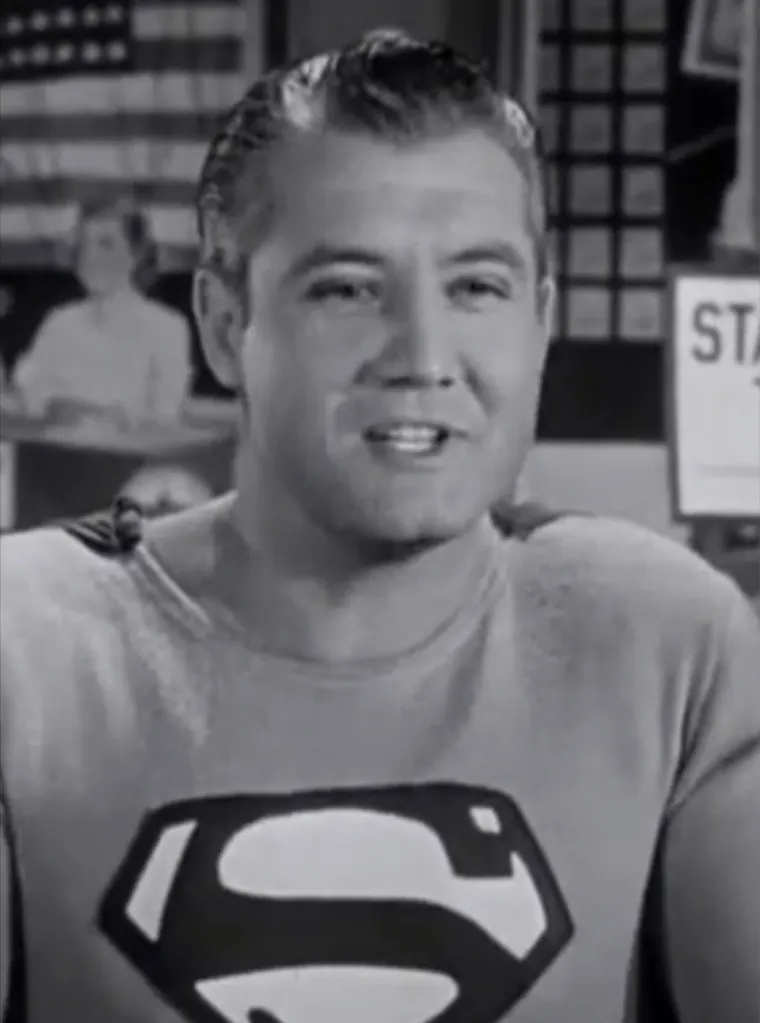
George Reeves in costume as Superman during the 1950s

Silver & Bronze

1956 – 1985

Editor Mort Weisinger turned the title into science fiction and built a mythology around it: the Fortress of Solitude, the bottled city of Kandor, coloured kryptonite, Bizarro, Brainiac, Krypto and, in 1959, Supergirl. The stories got stranger and his power level climbed until he was moving planets.

The Bronze Age pushed back. Denny O'Neil's 1971 story Kryptonite Nevermore destroyed most of the kryptonite on Earth and cut his abilities down so a threat could land again. The period is also when Siegel and Shuster campaigned publicly and were finally given a credit and a pension in 1975.

  • Supergirl introduced, 1959
  • Fortress of Solitude and Kandor
  • Kryptonite Nevermore, 1971
  • Creator credit restored, 1975
Superman, Supergirl and Batgirl costumes photographed at WonderCon in 2016

Modern Age

1986 – 2011

Crisis on Infinite Earths cleared out decades of accumulated continuity and John Byrne restarted the character in the 1986 miniseries The Man of Steel. Clark Kent became the real person rather than the disguise, the Kents survived into his adult life, Superboy was written out and Lex Luthor was rebuilt as a corporate billionaire.

The period produced the best selling Superman stories ever printed. The Death of Superman in 1992 became a mainstream news event, Reign of the Supermen followed with four replacements, and Clark and Lois married in 1996.

  • The Man of Steel reboot, 1986
  • The Death of Superman, 1992
  • Reign of the Supermen, 1993
  • Marriage to Lois Lane, 1996
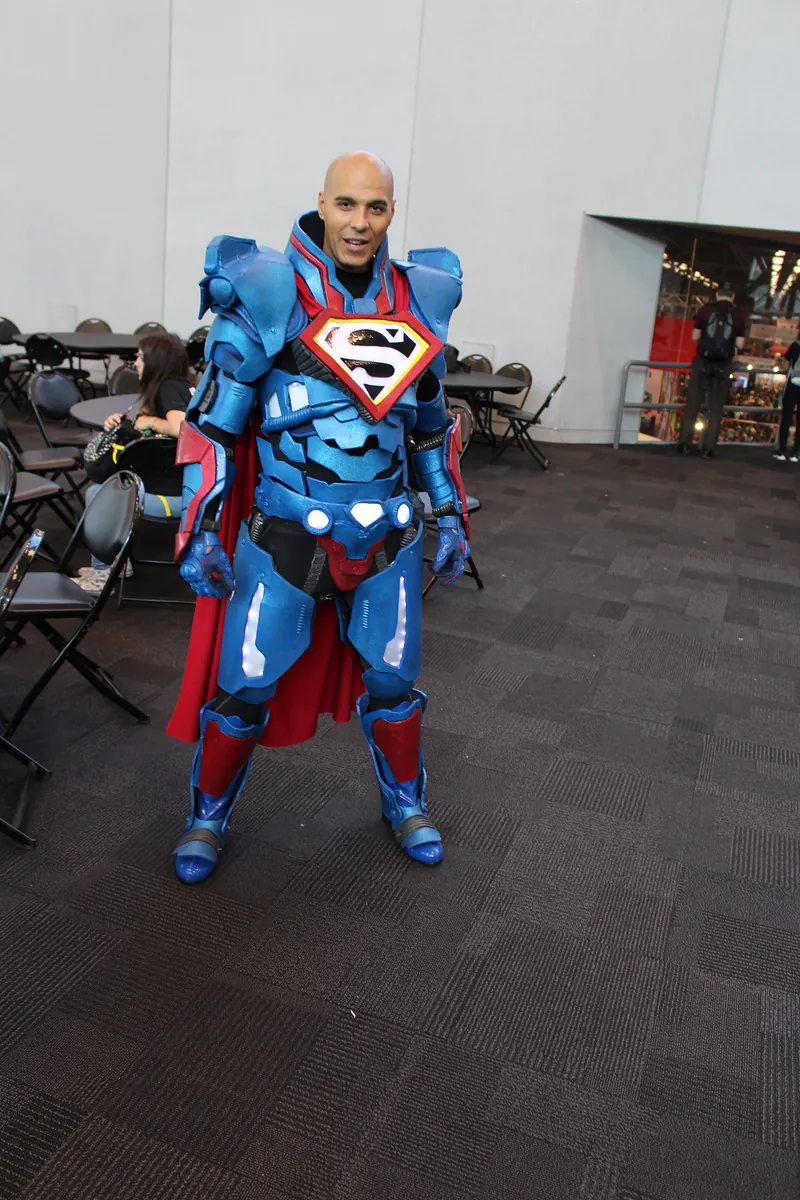
A contemporary Superman costume photographed at Brussels Comic Con in 2022

Contemporary

2011 – present

DC restarted its whole line as The New 52 in 2011. Superman was made younger and less established, the marriage was erased and the costume was redesigned with armoured plating and no red trunks. The reception was mixed and the changes were walked back steadily.

DC Rebirth in 2016 restored the married, more experienced version and brought in his son Jon Kent, who has since taken the identity on himself. The line now runs two Supermen at once and leans back towards the optimistic reading the 2025 film also chose.

  • The New 52 relaunch, 2011
  • DC Rebirth, 2016
  • Jon Kent becomes Superman, 2021
  • Red trunks restored, 2021
06 — Chronology

The dates that changed the direction

1938

Action Comics #1

The character debuts and effectively creates the superhero genre. Competing publishers have costumed heroes on sale within months.

1949

Kryptonite reaches print

Invented for the radio serial in 1943, it crosses into the comics and becomes the weakness every later writer builds around.

1959

Supergirl arrives

Kara Zor-El is introduced and the Superman Family expands into a full line of connected titles rather than a single book.

1971

Kryptonite Nevermore

Denny O'Neil removes most of the kryptonite on Earth and reduces the power set so the stories can generate real risk again.

1986

The Man of Steel

John Byrne reboots the character after Crisis on Infinite Earths and rewrites the supporting cast, the origin and Lex Luthor.

1992

The Death of Superman

Doomsday kills him. The storyline reaches television news and becomes one of the best selling comic events ever published.

2011

The New 52

Continuity is restarted a second time with a younger Superman, a redesigned costume and no marriage.

2016

DC Rebirth

The married version is restored and his son Jon Kent enters the main line, eventually taking the identity himself.