
Lore & Biography
Krypton, the Kent farm, the Daily Planet newsroom. What he can do, what stops him, and the people the stories keep returning to.
Read itTwo teenagers from Cleveland sold a character to Detective Comics for one hundred and thirty dollars. Within a year the costumed hero was the dominant format in American publishing, and Jerry Siegel and Joe Shuster had invented an industry by accident.
 Metropolis, Illinois. Photo: G1B71, CC BY 4.0, Wikimedia Commons
Superman arrived during the Great Depression and he arrived angry. The first stories send him after slum landlords, corrupt senators, mine owners who ignore safety and men who beat their wives. He is not policing supervillains, because there are not any yet; he is a social crusader with the strength to force outcomes his readers could not.
What has kept him in print for close to ninety years is that his premise survives rewriting. He is a refugee raised by strangers who decides to protect the country that took him in, and every generation has been able to load its own argument onto that frame. The powers have been cut and restored, the costume redrawn, the continuity wiped clean twice, and the premise has never needed replacing.
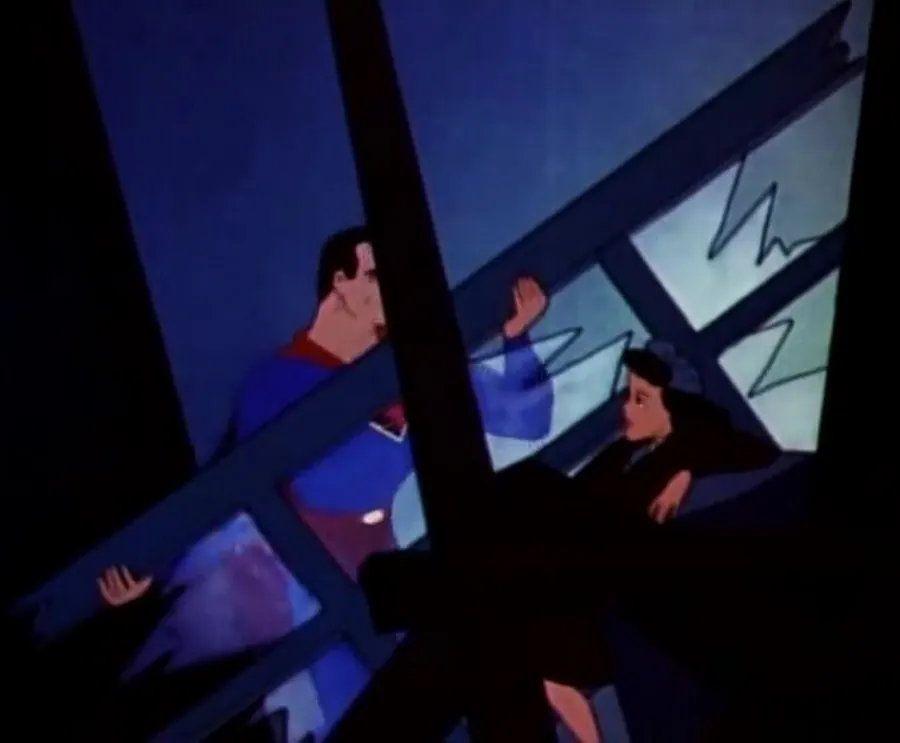
He also escaped the page faster than any character before him. A radio serial in 1940 invented kryptonite and Jimmy Olsen; the Fleischer cartoons in 1941 gave him flight; television made him a household fixture in 1952; and the 1978 film proved a comic book adaptation could carry a serious budget. A large part of what people know about Superman was never written in a comic at all.
The vocabulary outlived the source. Kryptonite, the Fortress of Solitude, the Daily Planet, Lois Lane and Lex Luthor are understood by people who have never opened an issue, which is a fair measure of how far the character travelled from a newsstand in 1938.
Krypton, the Kent farm, the Daily Planet newsroom. What he can do, what stops him, and the people the stories keep returning to.
Read it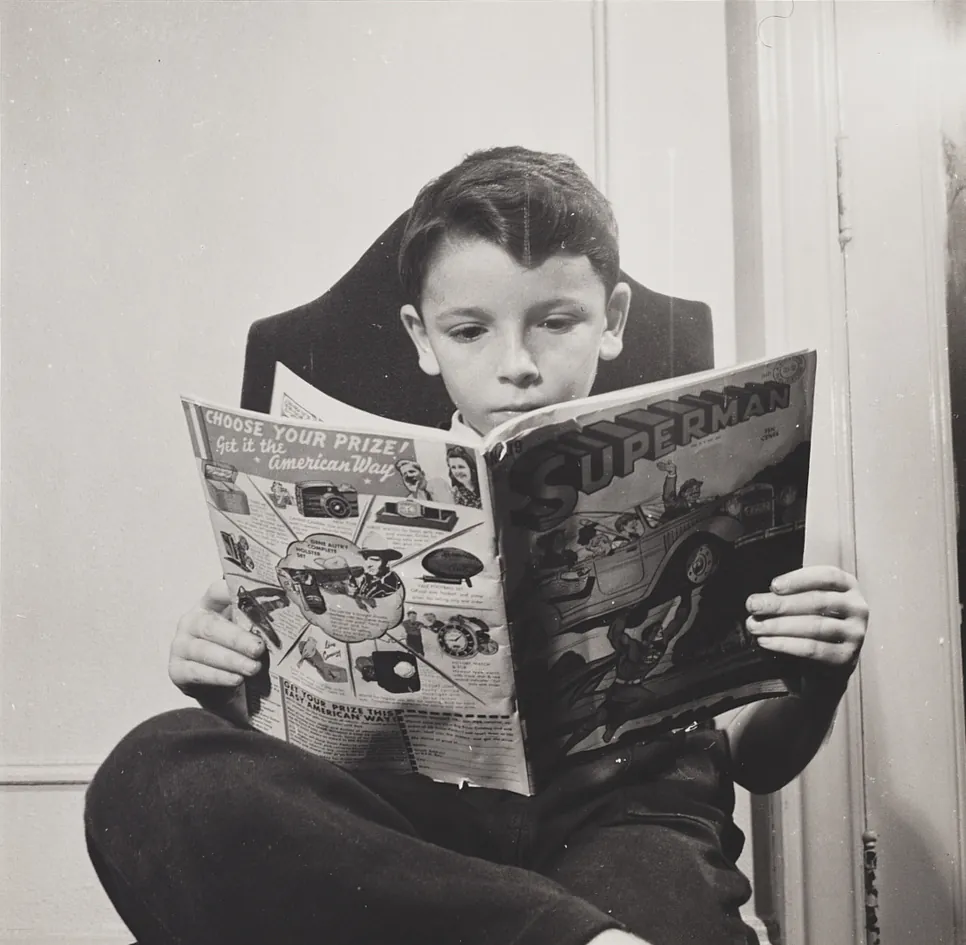
Five publishing periods, two full reboots and one deliberate power cut. How the character was rebuilt each time the industry changed.
Read it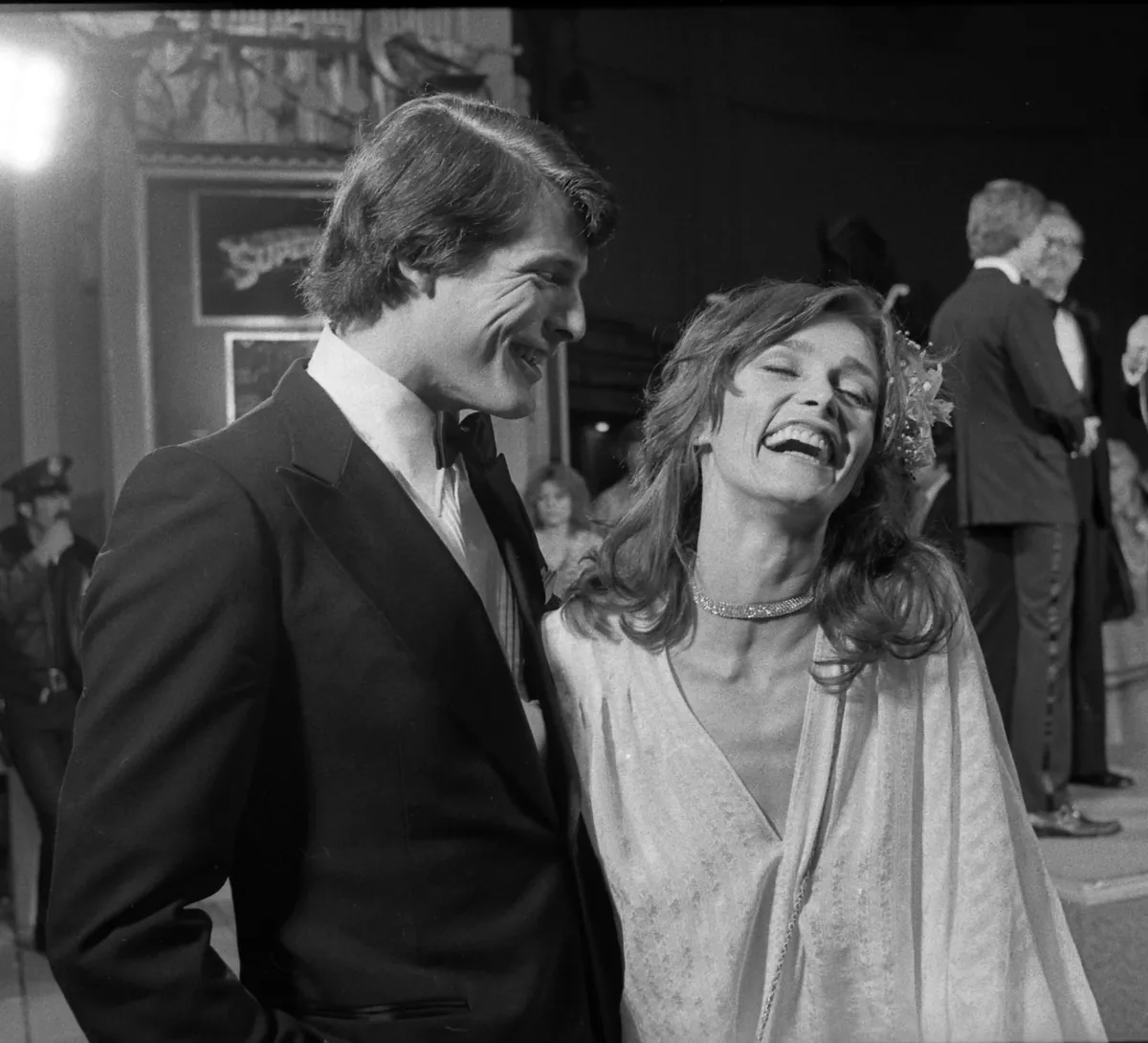
From the 1941 theatrical shorts to the 2025 relaunch, separated into live action and animation and listed by year.
Read it